Like any digital transformation initiative involving the adoption of a new tool, a Vendor Management System deployment that is well configured, integrated, and implemented, yet ultimately underutilized, is far more common than many organizations realize. And the consequences can be significant: wasted time, unnecessary costs, and missed opportunities.
A VMS project is certainly a technological transformation driven by the implementation of a new platform. But above all, it is an organizational transformation that profoundly impacts how companies manage professional services, structure their procurement processes, and collaborate with their suppliers.
The success of such a project depends on an organization's ability to evolve its practices and bring stakeholders along throughout the change journey.
Why resistance to change is inevitable and predictable
Implementing a Vendor Management System (VMS) changes established ways of working. For Procurement teams, this may mean new approval workflows, more structured reporting, and the systematic competition of suppliers. In short, processes become more rigorous, more visible, and better managed.
However, for some stakeholders, particularly business requesters, these changes are often perceived as a loss of autonomy or an increase in control.
These reactions are predictable and occur in almost every VMS implementation, regardless of the quality of the solution deployed. Anticipating them is the first step toward reducing their impact.
Factors that increase resistance :
Presenting the initiative as an IT project rather than a strategic transformation.
Informing teams too late, without involving them in the process.
Communicating benefits in a generic way, without tailoring the message to different audiences.
Procurement plays a central role in this process. It is best positioned to communicate the project's vision, explain the tangible benefits, and reassure stakeholders about their role in this new environment. Procurement can also rely on support from IT and business teams to reinforce adoption.
The three fundamental pillars of VMS change management
1. Involve the right people from the start
Change management begins during the scoping phase, or even earlier, during the solution selection process. Two profiles are particularly critical.
First, the project sponsor: a legitimate leader capable of championing the initiative internally, facilitating key decisions, and reassuring stakeholders.
Second, internal champions: key users selected for their influence, digital mindset, and ability to bring their teams on board.
These individuals are not passive communication relays. They are active contributors to the deployment, and their involvement has a direct impact on user adoption.
2. Communicate according to each audience
A one-size-fits-all communication plan rarely works. The priorities of a buyer are not the same as those of an operational manager, a finance team member, or an external supplier.
Messages should therefore be adapted to each audience to maximize relevance and engagement. Communication must remain consistent throughout the project lifecycle, not only at launch, to maintain momentum and share progress over time.
3. Train before Go-Live, adjust afterward
Pre-go-live training is essential, but it is rarely sufficient. The first few weeks after launch are a critical period: this is when obstacles emerge, questions arise, and new habits begin to form, for better or for worse.
Post-launch Q&A sessions, accessible and responsive support, and active listening to user feedback help identify friction points early and address them effectively. Adjustments made during the first weeks have a significantly greater impact than those introduced six months later.
Conversely, insufficient support after go-live often weakens adoption and leads teams back to old practices. This is why the support of a Customer Success Manager is a key success factor in ensuring long-term VMS adoption.
What procurement teams really gain
A VMS is sometimes perceived as a control tool when, in reality, it is a management and decision-making platform.
For Procurement organizations, a well-adopted VMS delivers:
Complete, real-time visibility into professional services spend.
Fewer repetitive administrative tasks, such as creating RFPs, tracking assignments, and validating invoices.
Faster and more structured sourcing processes through systematic supplier competition.
Stronger compliance with rate cards and internal procurement policies.
A VMS does not replace the buyer's expertise. Instead, it frees up time for higher-value activities, such as optimizing the supplier panel, conducting supplier performance reviews, and supporting strategic procurement initiatives.
Turning adoption into a long-term success driver
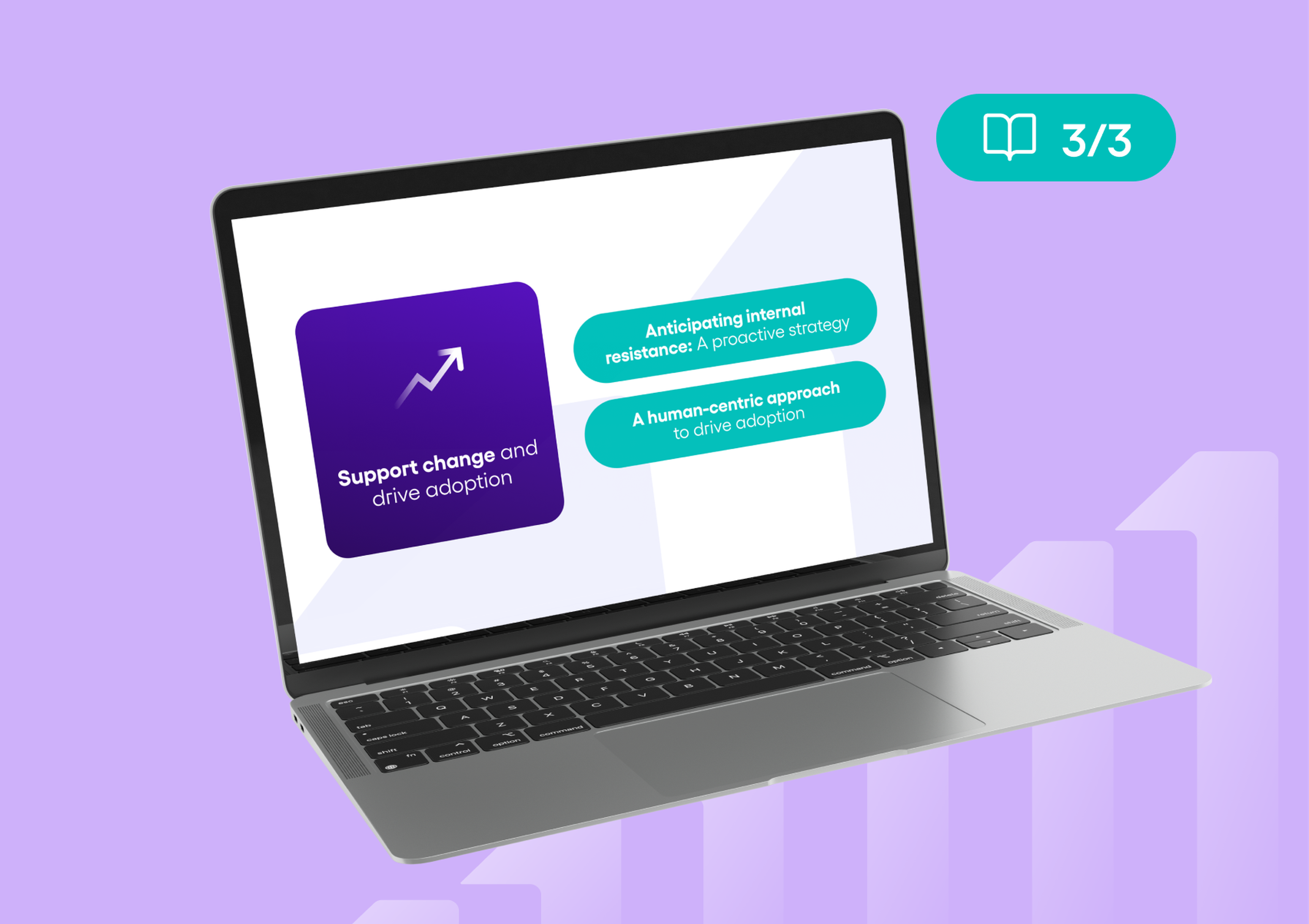
Successfully managing change during a VMS implementation means treating adoption as a project in its own right, with clear governance, identified stakeholders, tailored communication, and ongoing support.
Resistance to change can be managed with the right approach and the right people, creating trusted partnerships over the long term. Procurement teams, business stakeholders, and suppliers all benefit from a widely adopted VMS.
That is why Eleven VMS provides dedicated support through experienced Customer Success Managers, helping organizations maximize adoption and unlock the full value of their Vendor Management System.
Want to take your VMS transformation one step further? Discover best practices, customer experiences, and practical advice in our latest white paper, "Best practices for implementing a VMS."