A preferred vendor is a supplier a company has formally selected to receive priority for new work in a category, in exchange for negotiated pricing, service levels and performance commitments. That's a step beyond simply being approved: an approved vendor is allowed to be used, a preferred vendor is the default choice. In procurement, the distinction covers both goods and services, and it matters more for the latter, where selection is harder to standardise.
What does preferred vendor mean?
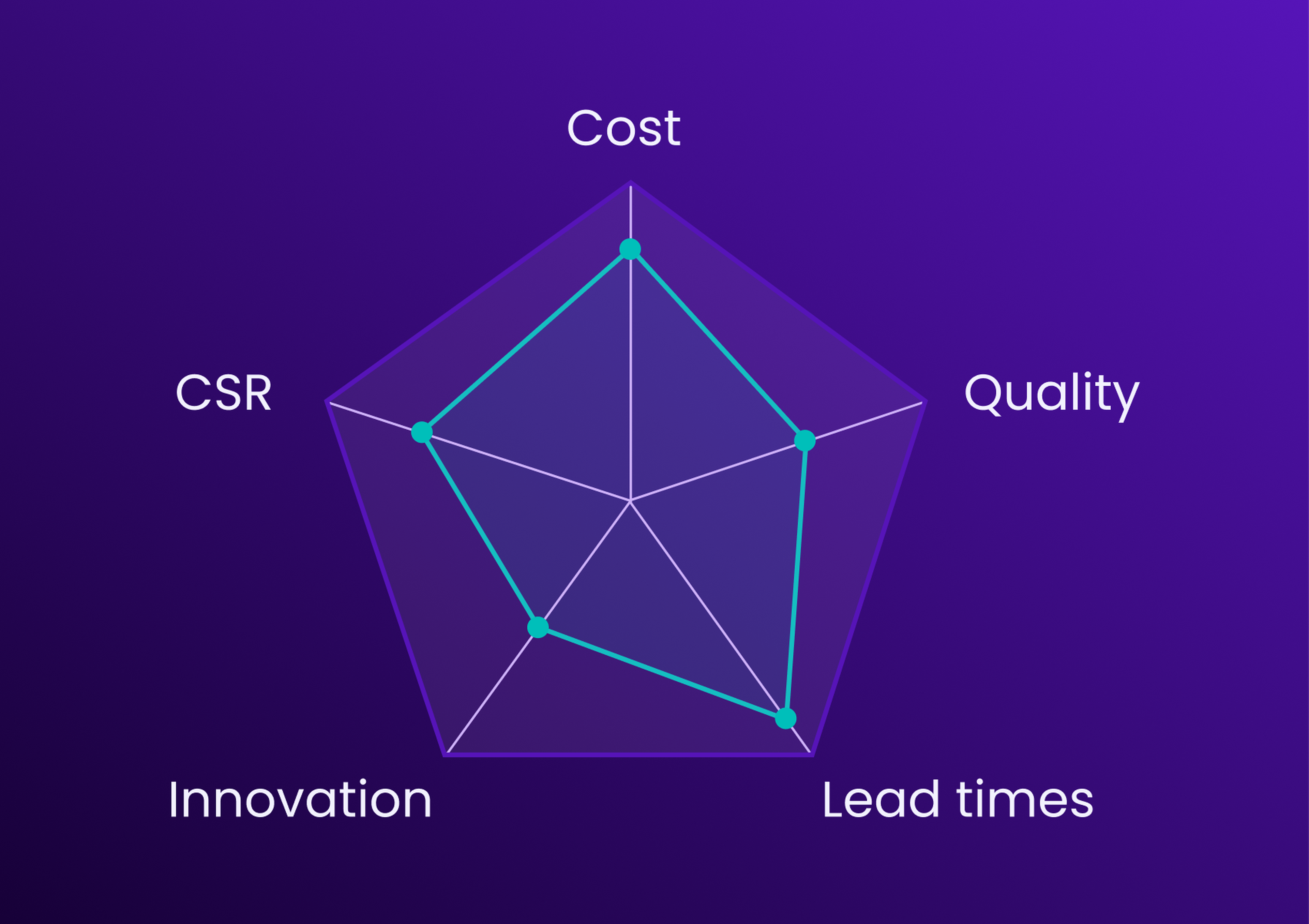
A vendor earns preferred status through evaluation, not just tenure: quality of past delivery, price competitiveness, reliability, compliance record, and increasingly cultural or ESG fit all factor in. Once granted, preferred vendor status changes what "priority" means in practice: the vendor gets first call on new RFPs, becomes the default on rate cards, and works under pre-negotiated terms rather than renegotiating from scratch each time.
That status is not a permanent label. It can be granted, reviewed and revoked, which is exactly what separates a preferred vendor programme from a supplier list nobody ever updates.
A preferred vendor typically has:
a signed framework agreement
agreed pricing or a rate card
defined SLAs
a performance scorecard
a named relationship owner on the buyer side
Preferred vendor vs approved vendor vs sole-source vendor
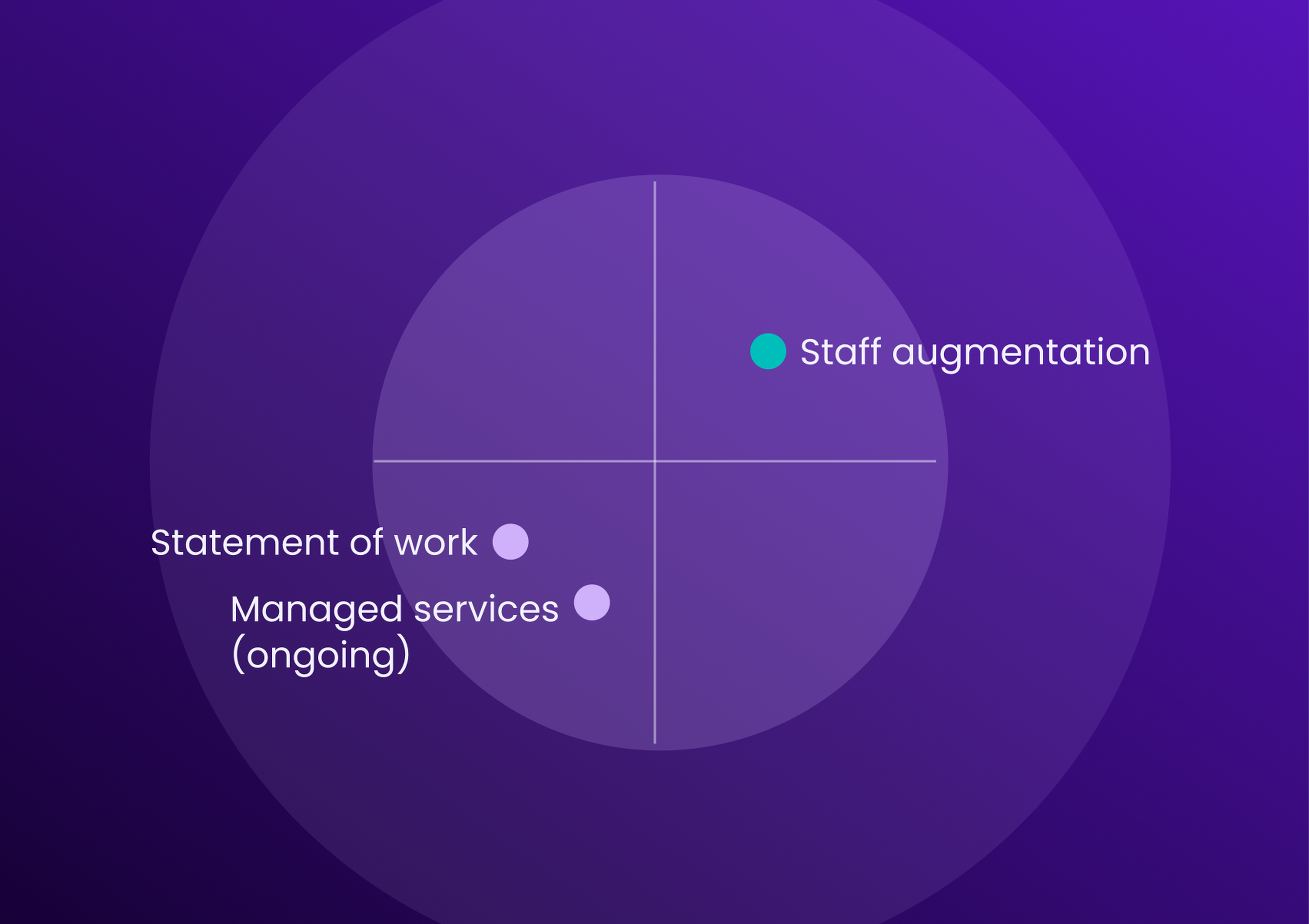
The short answer: approved means allowed, preferred means default, sole-source means only option. Each layer adds obligation and risk along with the benefit.
| Approved vendor | Preferred vendor | Sole-source vendor | |
|---|---|---|---|
How they qualify | Meets baseline legal, financial, safety and compliance checks | Approved, plus selected for best value or strategic fit | Only viable supplier for the requirement |
What they get | Permission to be used | Priority for new work, volume, longer terms | All spend in the category |
What's expected | Stay compliant | Hit agreed price, SLAs and performance targets | Meet the contract, often under heightened risk oversight |
Who decides | Procurement or vendor qualification | Category manager plus stakeholders | Business need or lack of alternatives |
Risk if overused | Fragmented spend | Complacency, over-reliance | Single point of failure |
These layer rather than replace each other. Every preferred vendor is approved first, preferred status is a further selection on top, not a separate track. Sole-source should be a deliberate, time-boxed decision, not a default that a category drifts into because nobody re-ran the sourcing.
Benefits of a preferred vendor program
Benefits for the buyer
Lower pricing from consolidated volume
Concentrating spend with fewer vendors gives more negotiating leverage than splitting it thin across many.
Faster sourcing
Skipping re-qualification for every new request cuts the sourcing cycle meaningfully compared to starting from an open market search each time.
Better contract utilization
Spend flows through negotiated terms instead of leaking to off-contract purchases.
Standardised specs and quality
A known vendor pool means less variation in what gets delivered.
Stronger reporting and spend visibility
Concentrated spend is easier to track than spend scattered across dozens of one-off suppliers.
Leverage for innovation and risk controls
A vendor with a stake in the relationship is more willing to commit to capacity guarantees or co-develop solutions.
Smoother audits
A defined, evaluated vendor pool is easier to justify than an ad hoc one.
H3 Benefits for the vendor
A preferred vendor gets a predictable pipeline and demand visibility for capacity planning, rather than bidding cold on every opportunity. Sales and business-development cost drops once the relationship is established. Vendors also get involved earlier in scoping, which improves fit, and the relationship itself gains stability across multiple years instead of being re-won each cycle.
Preferred vendors for external and intellectual services
This is where preferred-vendor logic changes shape. Buying consulting, IT services, engineering or SOW and contingent work isn't buying a catalogued item: you're selecting for team quality, delivery track record and rate competitiveness, not a listed price.
"Priority" shows up differently here too: a default shortlist for new RFPs, pre-approved rate cards by profile and seniority, and faster onboarding once a contractor is already vetted rather than starting from zero each time.
Preferred status also can't stay company-wide the way it might for a goods category. It needs to be set per skill area or per country, since a vendor's strength in, say, cloud engineering in one market says nothing about its data-analytics bench in another.
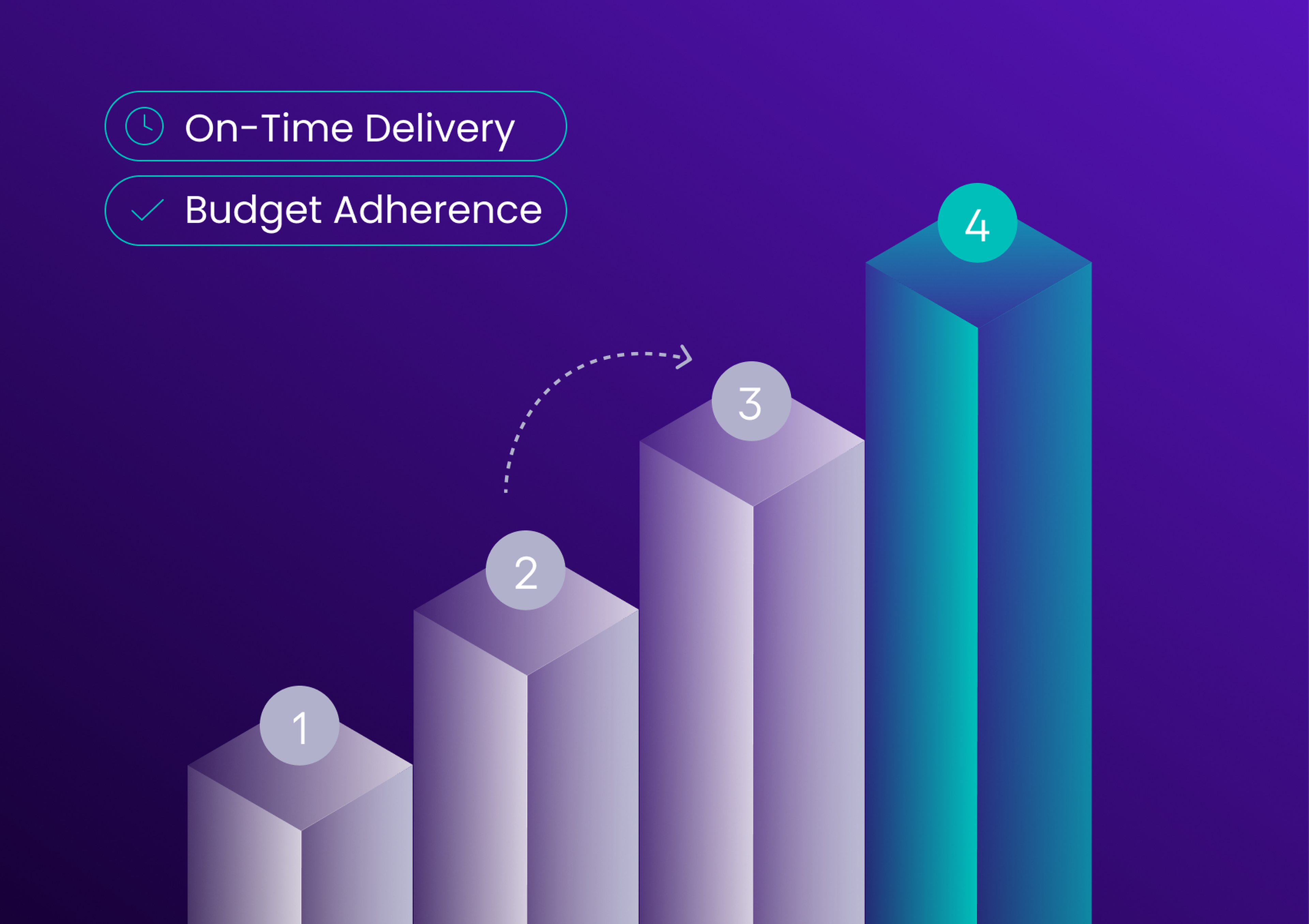
Performance data for services is mission-level: on-time delivery, budget adherence, stakeholder ratings, renewal rate. That data moves faster than an annual goods review cycle can capture, which is why preferred status for services needs continuous review, not a once-a-year refresh. A static list in a fast-moving talent market goes stale quickly: the vendor that was strongest eighteen months ago isn't necessarily still the right default today.
How to build a preferred vendor program in 6 steps
Define the category and requirements
Spend analysis and demand forecasting establish the size and shape of the category, and a clear set of must-have criteria keeps the next steps from drifting.
Qualify the field
Compliance, financial health, insurance, references and security or ESG checks set the baseline before anyone gets evaluated for preferred status specifically.
Evaluate and shortlist
A weighted scorecard, quality, price, capacity, risk, fit, run through an RFP or structured interviews, gives the shortlist decision a documented basis rather than a gut call.
Negotiate the preferred agreement
Pricing or a rate card, SLAs, volume expectations, a review cadence and exit terms all need to be explicit before the vendor starts receiving priority work.
Roll out and route demand
A preferred list that sits in a document nobody opens doesn't change behaviour. Publish it where buyers actually work, a sourcing tool, a VMS, a catalogue, set it as the default, and communicate the policy and the reasoning behind it.
Measure and re-rank
Track the agreed KPIs, run scheduled business reviews, and promote or demote based on the data rather than on who shouted loudest at renewal time. This step, along with rollout, is where most programmes lose momentum after an initial burst of setup energy.
What goes in a preferred vendor agreement
Scope and category coverage, so both sides agree what the preferred status actually applies to.
Pricing or a rate card by profile, the mechanism that makes "priority" concrete rather than aspirational.
Volume or spend expectations, including whether any exclusivity applies.
SLAs and KPIs, the performance bar the vendor is agreeing to.
Performance-review cadence and status-change triggers, so everyone knows in advance what moves a vendor up or down the list.
Term, renewal and termination, to avoid a preferred status that just quietly persists by inertia.
Data, IP and confidentiality terms.
For contingent work specifically: contractor tenure limits and co-employment safeguards, since these carry legal exposure that a goods contract doesn't.
Insurance and indemnification.
Compliance and ESG obligations.
How a VMS keeps your preferred vendor list accurate
A spreadsheet or a static PDF is where most preferred vendor lists start, and where most of them quietly go stale: nobody updates the rate card, nobody flags that a "preferred" vendor's delivery has slipped for three missions running, and the list survives on reputation rather than current data.
A vendor management system operationalizes preferred status instead of just documenting it. It holds the rate cards and SLAs as structured data, routes new requests to preferred suppliers first by default, records mission-level performance automatically as work happens, and re-ranks the list from that live data rather than an annual review. The same system gives spend visibility across the category, flags off-list spend as it happens rather than at audit time, and keeps an audit trail of who was preferred, when, and why that changed.
This is close to what dynamic supplier listing means in practice: a ranking that moves with the data instead of a list that was accurate the day someone built it.
Eleven VMS can write this from direct operating experience across enterprise customers and thousands of recorded missions. At Amadeus, the time to onboard a new contractor dropped from 5 to 8 weeks down to 2 weeks once sourcing ran through a ranked, pre-qualified panel instead of ad hoc requests.
Common mistakes to avoid
Treating the list as permanent: no review cadence means status granted two years ago on since-outdated performance.
Too few preferred vendors: a single preferred supplier in a category creates the same single point of failure as sole-sourcing, without the deliberate risk acceptance that should come with it.
Building the list but not routing demand to it: a preferred list buyers don't actually see at the point of sourcing changes nothing.
Ignoring off-list spend: Maverick spend undermines the negotiated terms the whole programme was built to capture. The Hackett Group's 2025 Digital World Class Procurement research found that top-performing procurement teams achieve 60% less savings lost to maverick buying and contract noncompliance than their peers, precisely by routing demand consistently and catching off-contract purchases early.
Selecting on price alone: the lowest bidder that misses delivery risk costs more than the saving, once rework and delay are counted.
One global list where regional or skill-based lists are needed: a single company-wide list flattens differences that matter, especially for services.
No clear path for new vendors to earn preferred status: a closed list stops improving and stops competing on its own terms.
Keeping preferred vend or management data-driven
A preferred vendor list is only as useful as the data behind it, current performance, accurate rate cards, demand actually routed to it. For external and intellectual services specifically, that data moves fast enough that a once-a-year review isn't enough to keep the list honest. Eleven VMS's platform keeps that ranking current from live mission data, or size the impact with the VMS ROI calculator.
Book a meeting with one of our experts for a personalized demo.