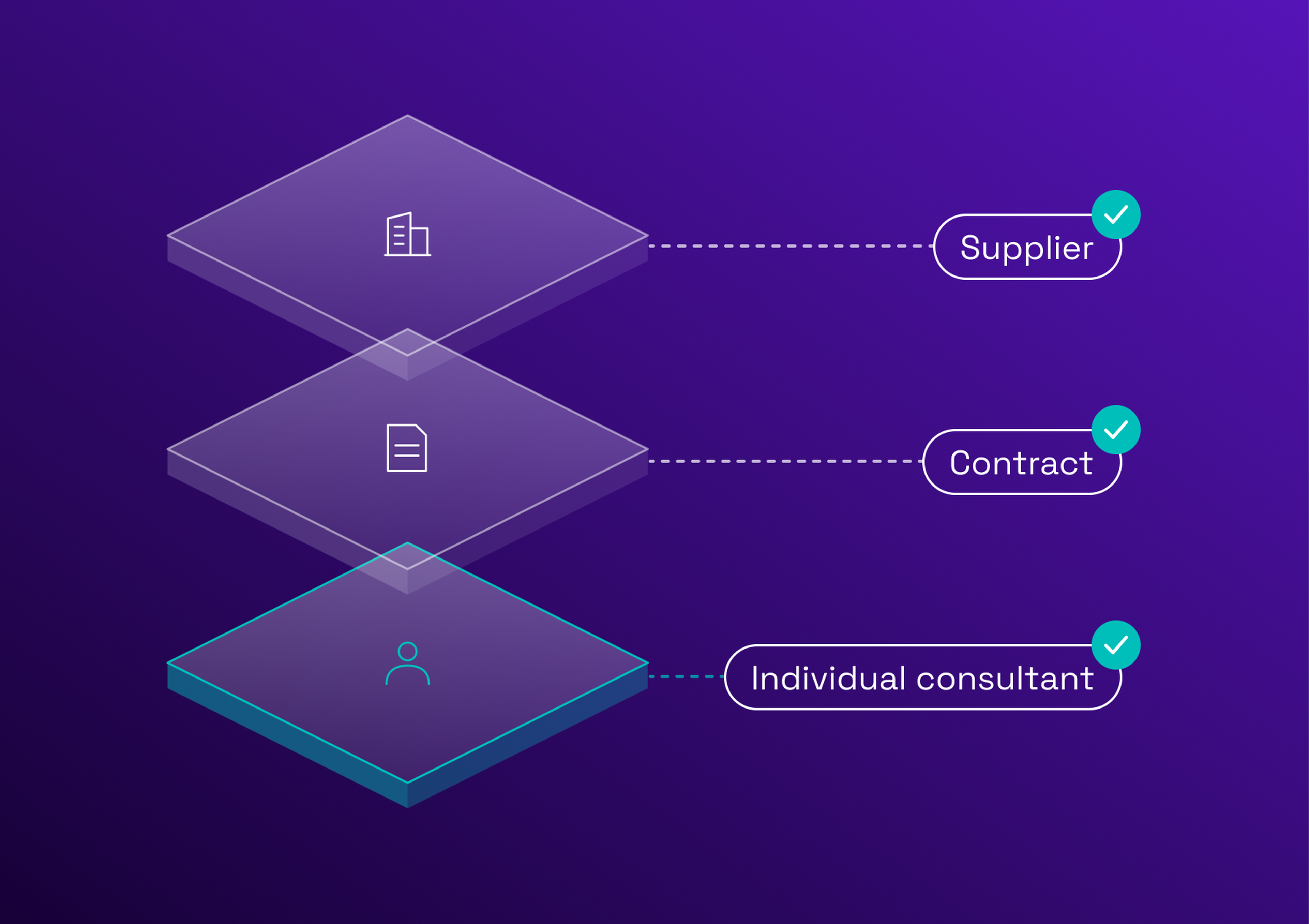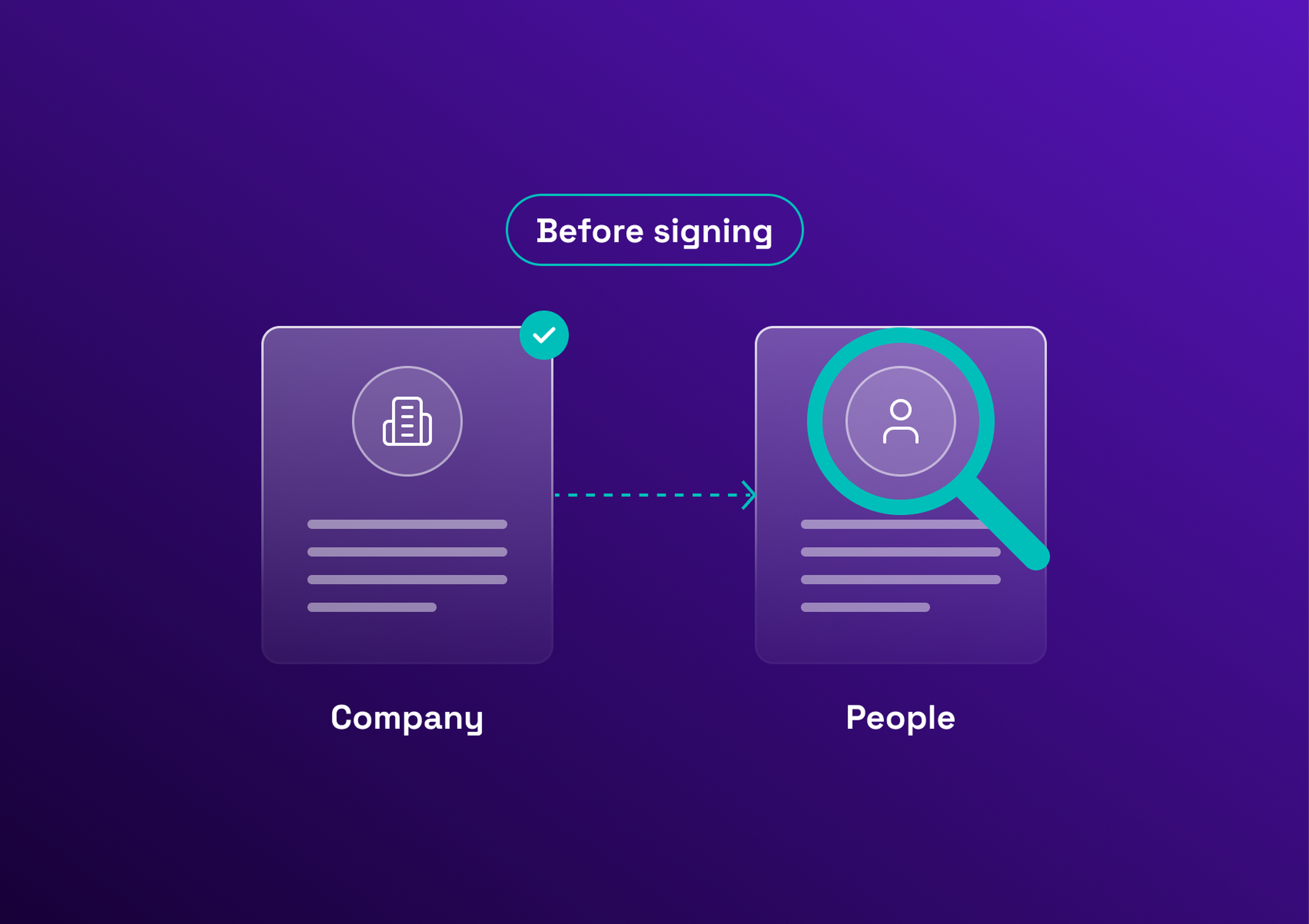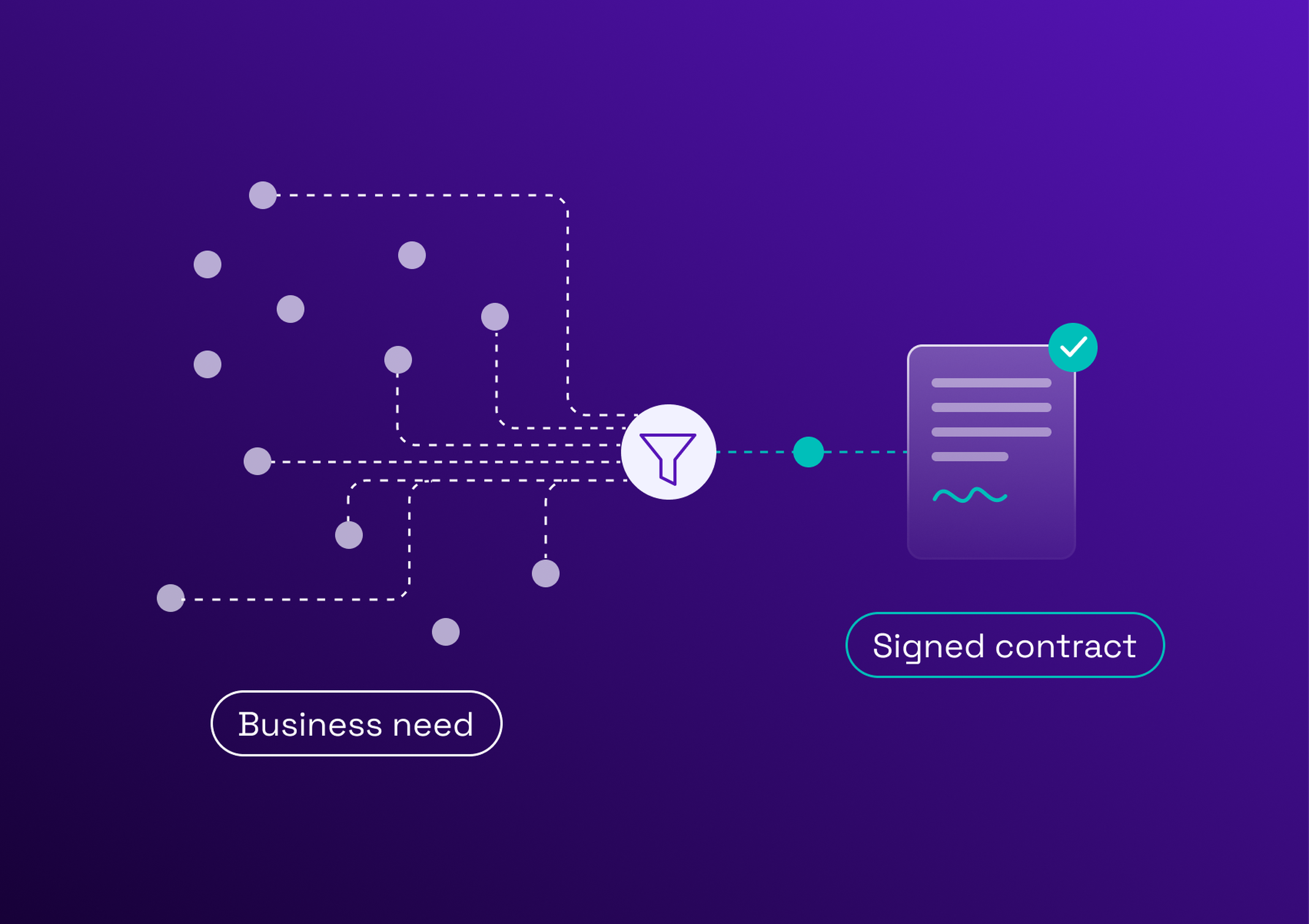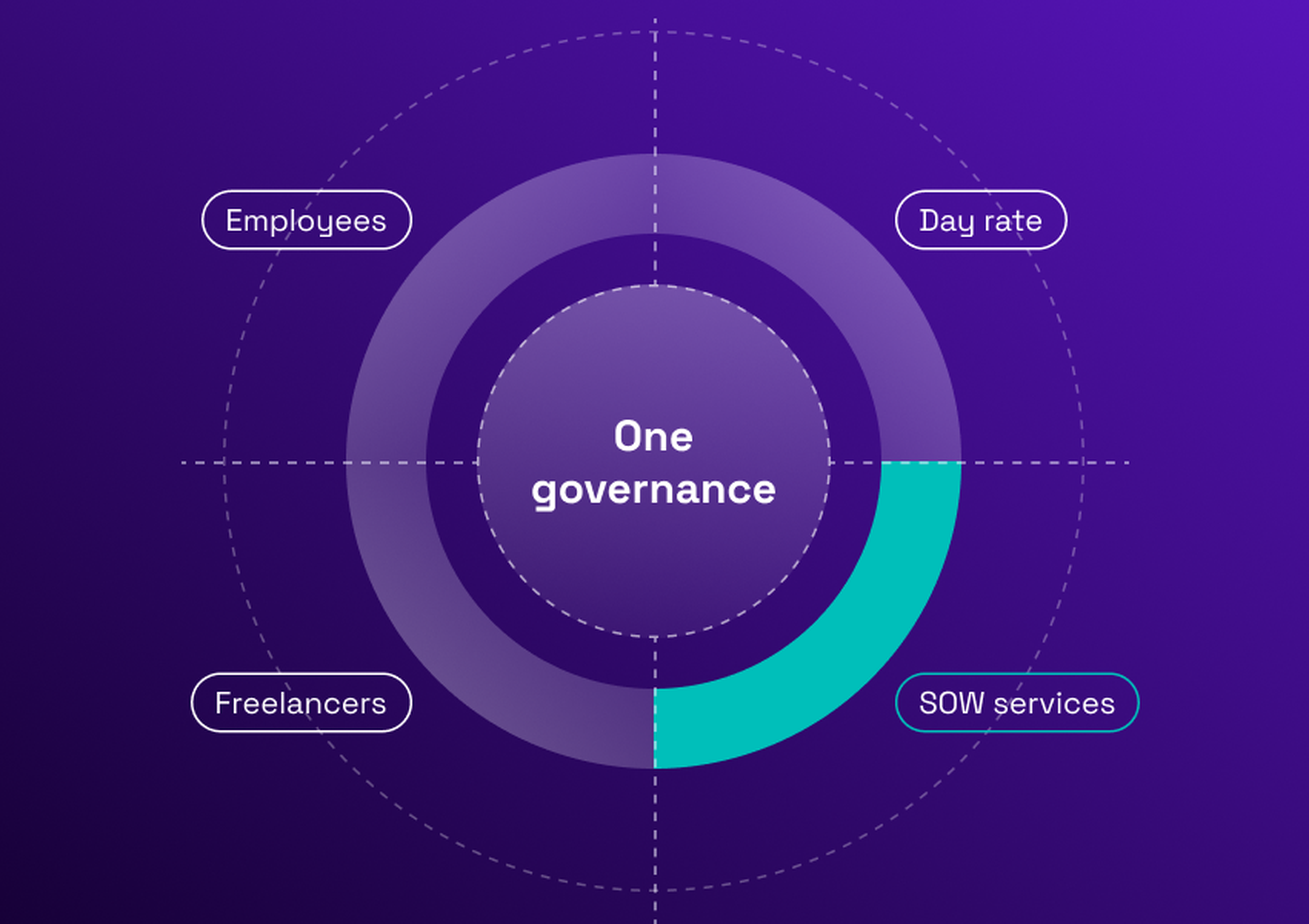
Total workforce management (TWM) is a company strategy that governs all the people and services a company pays for, employees, contractors, freelancers and statement of work (SOW) services, under one set of rules, one view of the data and one accountable owner.
It is an enterprise strategy, not the U.S. Navy portal of the same name that dominates search results. This guide is for procurement, HR and finance leaders who already know vendor management and wonder whether to run employees and external resources together. It gives a definition, a comparison with related approaches, a governance model, the technology stack, a five-step roadmap and a maturity grid.
What is total workforce management?
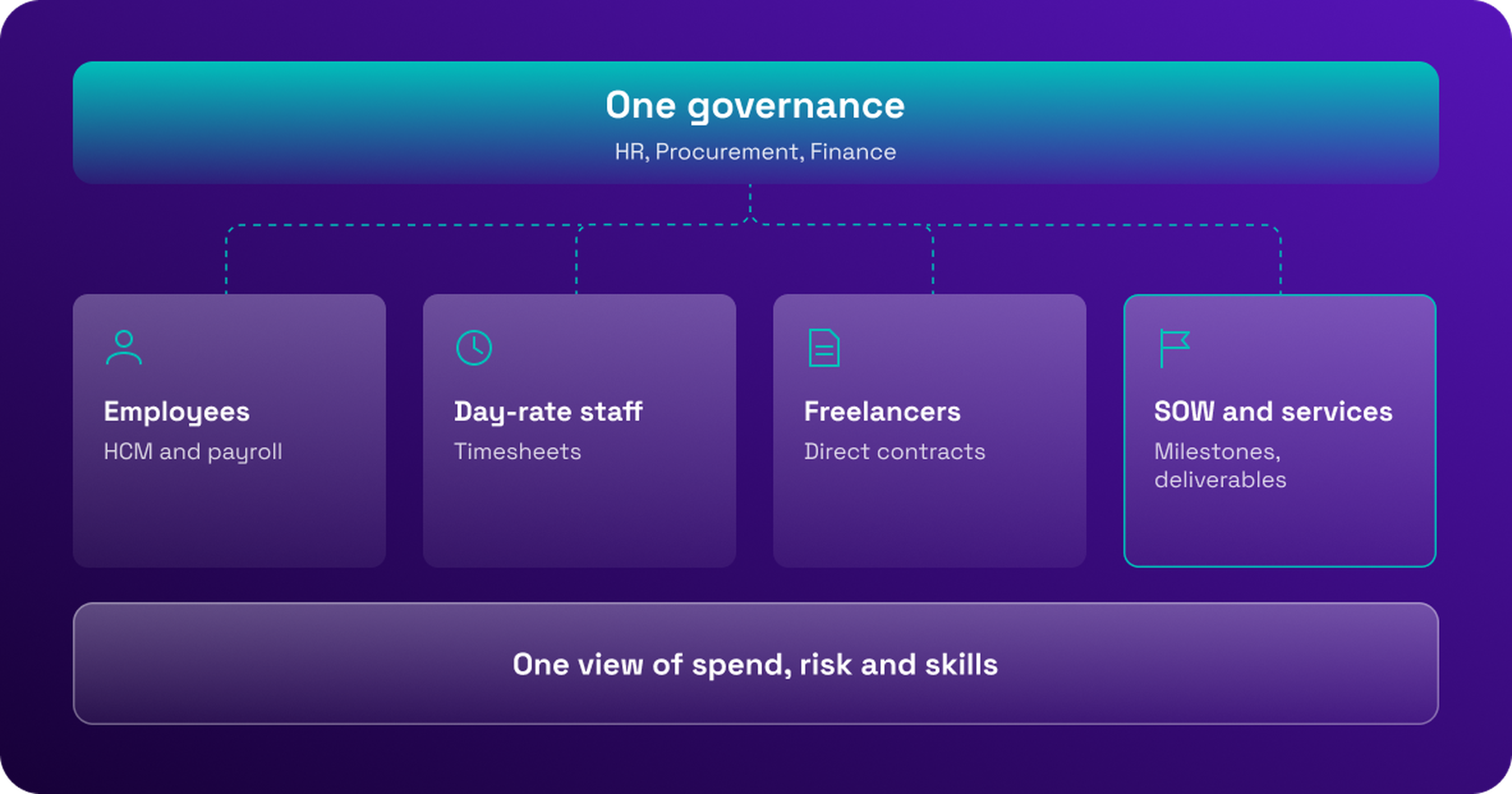
Total workforce management treats the workforce as one portfolio, whoever pays for the work and however people are engaged. Four populations sit inside it:
Employees: on payroll, managed by HR and recorded in HCM tools.
Staff augmentation and day-rate contractors: individuals billed by the day, usually through a vendor.
Freelancers: independent professionals engaged directly or through a platform.
SOW and fixed-price services: work bought as a defined outcome from a service provider.
The approach is often called total talent management, and the two terms overlap. In this guide, total workforce management puts the accent on governance, spend and compliance across all four populations. The detail of each type of non-employee is covered in the guide to managing a contingent workforce.
Total workforce management vs total talent management, VMS and MSP
These terms are often used as if they were the same. They are not: some describe a strategy, others a tool or an operating model.
| Approach | Scope | Owner | Typical tools |
|---|---|---|---|
Total workforce management | All workers and services, employees included | A shared governance of HR, procurement and finance | HCM, VMS, e-procurement, ERP |
Total talent management | Employees and contingent talent, seen from the talent and hiring side | HR and talent acquisition | HCM, applicant tracking, talent platforms |
VMS (vendor management system) | The external workforce and services: suppliers, missions, time, rates and spend | Procurement, with the business | A vendor management system |
MSP (managed service provider) | An outsourced operator that runs the contingent workforce program | The provider, under the client's governance | The provider's processes, usually on a VMS |
HCM | Employees: records, payroll, careers | HR | An HCM suite |
A VMS or an MSP manages the external side. Total workforce management is the strategy that connects that side to the employee side, and decides who owns what. The guides on VMS vs MSP and on what a VMS is cover the two tools in detail.
Why companies are moving to a total workforce strategy
External labor is now a large share of the workforce
In Staffing Industry Analysts' 2025 global survey, respondents were already running contingent labor at an average of 21% of their total workforce, and expected 23% within two years. Spend flowing through vendor management systems reached $303 billion in 2025, up 7%, according to SIA's VMS Global Landscape Summary. A part of the workforce that large cannot stay a side topic for either HR or procurement, and a total workforce strategy puts it inside the same plan as employees.
Leaders need one view of capacity, cost and skills
Employees sit in the HCM, contractors in a VMS or in invoices, services in contracts. Each source answers part of the question "how many people work on this program, at what cost, with what skills?", and none answers it alone. Leaders who plan capacity or budgets need the external workforce in the same view as the employees.
Fragmented tools create compliance blind spots
When no one sees all the populations together, status and access rules slip between functions. The guide to contractor compliance covers the checks, and a shared governance is what makes sure they are run.
The blind spot: outsourced services and SOW work
Most workforce programs started with people: employees first, then temps and contractors. Work bought as an outcome, under a statement of work, often stays with business units and outside the program. This is the blind spot of many strategies, and a total workforce management program that leaves SOW out is incomplete.
It is not a small blind spot. SOW represented 39% of the 2025 spend flowing through vendor management systems, against 60% for temporary and contract workers and 1% for freelancers, according to SIA. More than a third of the external spend that is already tracked follows a different logic from time-based work.
That logic changes what governance must do:
There are no hours to approve. Control moves from timesheets to milestones, deliverables and acceptance.
The risks differ: scope creep, price and delivery rather than attendance and status.
The buyers differ, because business units often negotiate these engagements themselves.
The guides to services procurement and to SOW-based procurement explain how to run SOW management, and day rate vs fixed price explains how to choose between the two models.
Who owns total workforce management? HR, procurement and finance roles
Total workforce management fails without a clear owner. The matrix below is an illustrative RACI for the six activities that matter most. Adapt it to your organization: what counts is that each activity has one accountable owner.
| Activity | HR | Procurement | Finance | Business managers | IT |
|---|---|---|---|---|---|
Set the workforce budget | C | C | A/R | C | I |
Source suppliers and workers | C | A/R | I | C | I |
Contract and set rates | C | A/R | C | I | I |
Onboard and give access | R | C | I | A | R |
Validate time, invoice and pay | I | R | A | R | I |
Report on shared KPIs | R | A | R | I | C |
R = responsible, A = accountable, C = consulted, I = informed.
The matrix is a starting point for a conversation between functions, not a final answer. The guide on rallying stakeholders around procurement explains how to bring HR, finance, IT and the business into that conversation, and the Equans customer story shows how a large group structured and secured its IT professional services purchasing in two months.
The technology stack behind total workforce strategy
A total workforce management system is, in practice, a stack of connected tools rather than one product. Each brick has its own role:
HCM: employee records, payroll, skills and career data.
VMS: the external workforce and services, covering sourcing, missions, time, rates, compliance and spend.
E-procurement: requisitions, catalogs and approvals for goods and general services.
ERP: budgets, purchase orders, invoices and payments.
Time and access tools: timesheets, badges and system access, which tie people to the missions they work on.
The value comes from the links between them: a worker, a supplier, a cost center and a purchase order must mean the same thing in each tool. The overview of the procurement software ecosystem shows where each tool fits, the guide to procurement integration covers how they are connected, and VMS vs e-procurement explains why services need more than a purchasing tool.
How to build a total workforce management program in 5 steps
1. Map all workforce spend, internal and external
List payroll, vendor invoices, SOW contracts and freelancer payments by business unit, in one place. Do not stop at what procurement already sees.
2. Agree on governance and a single owner
Use a matrix like the one above, and name one accountable executive. Without that name, the program stays a project of one function.
3. Bring every supplier into one dynamic panel
Staffing firms, consulting firms and freelancers belong in one list that is kept up to date. See the guide to dynamic supplier listing.
4. Connect HCM, VMS and ERP data
Agree on shared identifiers for workers, suppliers, cost centers and purchase orders, then connect the tools through their interfaces.
5. Report on shared KPIs
One dashboard for HR, procurement and finance, built on the procurement KPIs that matter to all three. The guide to VMS change management covers how to get teams to use it.
Total workforce maturity: where do you stand?
Four levels describe how far a company has gone.
| Level | What it looks like |
|---|---|
1. Fragmented | Each function manages its own workers. There is no shared data, and SOW work sits outside any program. |
2. Coordinated | Functions share some data and meet from time to time. The external workforce is partly visible. |
3. Centralised | The external workforce and services run in one system with procurement. Employees are still managed separately. |
4. Total workforce | One governance and one view across employees, contractors and services, with shared KPIs. |
Most companies know which level describes them after reading the table. To check, assess your procurement maturity in about three minutes.
Common mistakes
Leaving SOW work out of scope, because it is not "people".
Treating the program as an HR-only project, so procurement and finance join late.
Running tools that are not connected, so each function keeps its own numbers.
Having no single owner, so no one is accountable for the result.
The guide to mistakes that can cause a VMS project to fail covers the pitfalls on the tooling side.
Managing the external workforce in one place
Total workforce management starts with a decision about governance, and a platform keeps it running once missions, suppliers and entities multiply. Eleven VMS manages professional services, contractors and SOW work in one place, from sourcing to payment. See how Eleven VMS works, or calculate your VMS ROI.
Book a meeting with one of our experts for a personalized demo.